Hail Damage or Just Wear? What to Check Before You Call Anyone
A straightforward look at what hail actually does to a shingle roof, and how to document it properly before anyone climbs a ladder.
September 3, 2026 · 4 min read
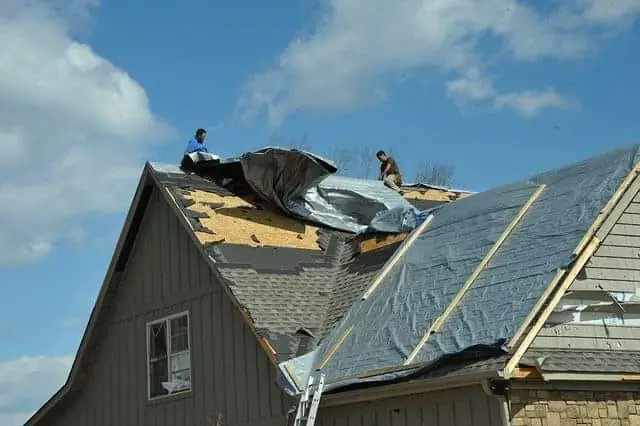
What hail actually does to a shingle
Ordinary wear on a shingle happens slowly. The sun bakes the oils out of the asphalt, the tabs curl a little at the edges, and the granules thin out evenly across the whole roof over years. Hail doesn't work that way. A hailstone hits with enough force to bruise the mat underneath the granules, and it does it in a pattern, not evenly. You'll see round dents, sometimes the size of a quarter, sometimes bigger, scattered across a slope with granules knocked loose right at the point of impact. Run a hand over it and you can often feel a soft spot where the mat has been compressed.
The tricky part is that a bruise doesn't always look dramatic from the ground. It's not a hole. It's a weak point that lets water in eventually, usually months or a year later when that spot finally gives way. That's why so many roofs with real hail damage still look fine from the driveway, and it's why insurance adjusters and roofers both look for a pattern rather than one obvious spot.
Wear versus hail, side by side
- Wear: granule loss is even across the whole slope, tabs curl and crack at the edges, coloring fades uniformly over years
- Hail: granule loss is scattered in a random pattern, dents are round and roughly consistent in size within one storm, and soft metals nearby often show damage too
Where the damage shows up first
Not every slope takes the same hit. Wind carries hail sideways as it falls, so the side of the roof facing the storm usually takes the worst of it. A few spots are worth checking closely no matter which way the storm came from:
- Ridge caps and hip lines, because they sit exposed on both sides and take wind from every direction
- Roof valleys, where water already concentrates and any bruising becomes a leak path faster
- Soft metals like roof vents, flashing, and gutter edges, which dent easily and act as a marker for how hard the hail actually hit
- The slope facing the direction the storm came from, usually the most obviously damaged
What a roofer checks that a ground-level look can't
A trained eye on the roof itself finds things a driveway inspection misses. That includes soft spots in the decking that haven't shown up as a ceiling stain yet, cracked sealant around vent boots and skylights, and granule loss counted across specific test squares instead of estimated by eye from below. None of that replaces your own photos. It's what turns your photos into an actual damage report instead of a guess, and it's usually the difference between a claim that gets approved on the first pass and one that gets pushed back for more evidence.
What to photograph before you call anyone
If you think your roof took a hit, get photos before you get quotes. Insurance companies and roofers both work faster with documentation in hand, and clear photos taken right after a storm carry more weight than a description written a month later.
- A wide shot of each slope from the ground, so the pattern is visible
- Close-ups of any dents on gutters, vents, or an AC unit's housing, since those confirm hail size without you needing to get on the roof
- A coin or a tape measure next to any obvious dent for scale
- Anything already leaking or missing shingles, dated with your phone's camera timestamp
Skip the ladder unless you're genuinely comfortable working on a roof. A roofer with the right harness and experience can check every slope that matters in a fraction of the time it takes an untrained set of eyes to do it safely.
Why the timing matters here
Oklahoma's hail season runs mainly from spring into early summer, and it tends to arrive in named events rather than one storm a year. After a big one, insurance adjusters get slammed with claims across the whole metro, and the homeowners who get inspected fastest are usually the ones who called with photos already in hand instead of waiting to see if the roof leaked first. Filing a claim backed by a professional inspection from the start also tends to move faster than filing on a hunch and hoping the adjuster agrees with you.
Grand Roofing Company works re-roofs and repairs across Oklahoma City and out into the wider Oklahoma, Arkansas, and Kansas area, with Class 3 and Class 4 impact-rated shingle options for anyone rebuilding after a hail event. If you're not sure whether what you're looking at is real damage or just an old roof showing its age, call (405) 334-9475 and get a straight answer before you sign anything.
Grand Roofing Company LLC — (405) 334-9475
Call (405) 334-9475More articles
Class 3 vs Class 4 Shingles: What the Rating Actually Means for Your Insurance
The difference between Class 3 and Class 4 shingles comes down to one steel-ball test, and it can show up on your insurance bill.
What Actually Happens During a Full Re-Roof, Start to Finish
From the first tarp on the flower beds to the last pass of the magnetic roller, here is what a full re-roof actually looks like.